Substrate Overview
Growing media products are typically made by blending several ingredients, each contributing different properties to support plant growth. In the UK, peat was historically the main ingredient because it reliably holds and releases water and nutrients, but peat extraction causes severe environmental damage. As a result, gardeners and professional growers now use a range of peat-free materials, each with unique benefits and drawbacks. Below is an in-depth look at the most common ingredients used in UK growing media (generally those comprising >5% of a mix), followed by a comparison table for quick reference.
Note: All these ingredients have slightly different properties, so it’s important to choose appropriate mixes and follow any guidance on the bag for watering and feeding.
Peat
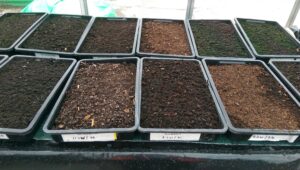 Peat is partially decomposed plant material (primarily sphagnum moss) harvested from peat bogs. It has been widely used in horticulture because of its excellent water-holding capacity and ability to hold nutrients against leaching. Peat is initially acidic and virtually sterile, providing a clean, disease-free medium for seedlings. It creates a light, open soil structure that roots readily grow through, and when nutrients are added, peat-based growing media can support strong growth across many plant types.
Pros: Peat-based growing media is very consistent and easy to work with. It retains moisture well while also holding air when moist, giving a good balance of water and oxygen at the roots. Peat has a high cation-exchange capacity, meaning it can hold added nutrients and release them to plants over time. It’s also lightweight when dry, making bags of peat growing media easier to handle than loam-based soil.
Cons: Peat is non-renewable on human timescales; peat bogs take thousands of years to form, but can be destroyed by mining in a matter of weeks. Peat extraction releases large amounts of stored carbon dioxide and destroys rare wetland habitats. Because of this, UK retailers are phasing out peat with a ban on peat in amateur gardening products in effect or imminent. For gardeners, peat can also be tricky in that it rewets slowly if it dries out completely (dry peat becomes hydrophobic and water tends to run off). Additionally, peat contains virtually no nutrients naturally, so plants in peat-based growing media require added fertiliser. Given environmental concerns, gardeners are encouraged to use sustainable alternatives whenever possible.
Coir
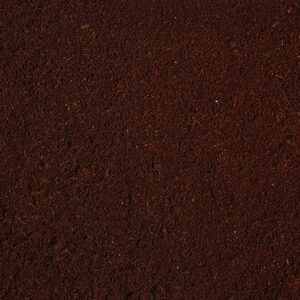 Coir is a peat alternative made from coconut husk fibre, specifically the spongy pith that remains after long fibres are removed (e.g. for rope or mat making). This fibrous brown material is a waste byproduct of the coconut industry, mostly produced in India and Sri Lanka. Coir is processed by shredding coconut husks, washing the pith thoroughly to remove salt (since coconuts often soak in saline water), and then drying it. The dried coir is compressed into compact bricks or bales for shipping, and later rehydrated for use in growing media. High-quality horticultural coir is well-washed and consistently graded to ensure low salt content and suitability for plants.
Pros: Coir has excellent water-holding capacity; it can absorb and hold a lot of moisture, almost as much as peat. It consists of a mix of fine particles and coarse fibres, making it lightweight and porous, which in turn provides good aeration around roots. Coir is also renewable in the sense that it utilises a waste product of coconuts, and using it doesn’t deplete natural habitats in the way peat extraction does. It’s pH-neutral to slightly acidic (often around pH 5.5–6.5 after buffering), which is suitable for most plants. Unlike peat, dry coir rehydrates relatively quickly, and it’s sold in compact form that expands when you add water, which is convenient for storage and transport.
Cons: A key drawback is that coir doesn’t hold nutrients as well as peat; it has lower cation exchange capacity, so it can’t buffer and retain added fertilisers to the same extent. This means plants in coir may need more frequent feeding. Nutrient-wise, coir itself is low in available nutrients (it has a little potassium and micronutrients, but no significant nitrogen or phosphorus), so all nutrition must come from added fertiliser. Coir is usually imported from afar (South Asia), so there is a carbon footprint from transport. Also, quality can vary: if not properly washed, coir may contain excess salts that can harm plants, so reputable suppliers perform rigorous washing and grading. Finally, coir production uses a lot of water for soaking and washing, and concerns have been raised about the sustainability of sourcing and processing it in some regions, though it is still considered more sustainable than peat overall.
Wood Fibe
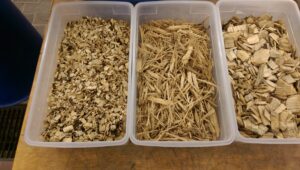 Wood fibre refers to wood that has been processed into a fibrous form and used as a bulk ingredient in growing media. It is typically made from softwood (such as spruce or pine) chips or shavings, often by-products of the timber industry. Manufacturers use special techniques to “open up” wood structure: wood chips can be mechanically shredded or hammer-milled to tease apart the fibres, or steam-treated (steam explosion method) to puff up and separate fibres. The result is a light, fibrous material somewhat resembling coarse sawdust or shredded wood, but with specific particle size and texture optimal for potting mixes.
Pros: Wood fibre is very useful for improving the structure of growing media. It creates air-filled pore space, enhancing drainage and aeration around plant roots. Depending on how it’s produced, wood fibre can be tuned for different effects: for example, hammer-milled wood tends to produce shorter fibres that can improve drainage in the mix, while steam-expanded wood yields a very fluffy, loose fibre that keeps the medium open and airy. By mixing wood fibre with something like coir or compost, manufacturers can achieve a good balance of water retention and air space, even without any peat. Wood fibres are lightweight, so bags of wood-based peat-free growing media are easy to handle. They are also a renewable resource, typically coming from forestry byproducts, and break down more quickly than peat, making disposal and incorporation into garden soil easier. Notably, growing media products high in wood content tend to be free draining, which is great for plants that hate waterlogging (many shrubs, perennials, and Mediterranean plants). In fact, using a wood-fibre-heavy mix can benefit gardens with heavy clay soil by improving drainage.
Cons: Because wood is high in carbon and low in nitrogen, raw wood fibre in soil can cause nitrogen drawdown (also called immobilisation). Soil microbes will start decomposing the carbon-rich wood, and in doing so, they tie up nitrogen, potentially robbing the plants of N and causing a deficiency. To prevent this, manufacturers usually add extra nitrogen fertiliser to wood-based products. Gardeners using pure wood chips or fibre must be aware of this and ensure feeding is adequate. Another consideration is that wood fibre, on its own, doesn’t hold water as much as peat or coir; it drains fast. While this is good for aeration, it means mixes relying on wood fibre need other components to retain moisture for plant roots. Wood fibre is also biodegradable and will break down over time in the pot; although it’s fairly stable for one growing season, a wood-based growing media might shrink a bit as the fibres decompose, and it may not support long-term pot culture as well as peat. Lastly, supply can be an issue, producing uniform wood fibre is energy-intensive, and high-quality wood fibre is also in demand for other uses (like biomass energy). Thus, availability and cost can sometimes limit how much is used in retail growing media.
Composted Bark (Wood Bark)
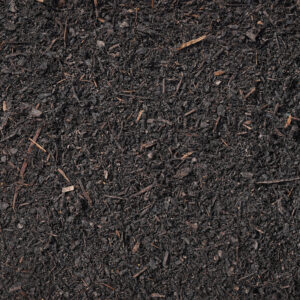 Bark from trees (usually pines or other conifers) is another common ingredient. Bark must be aged or composted before use; fresh raw bark can contain toxins or excess resins and can rob nitrogen from plants. In growing media, manufacturers typically use matured pine bark or composted mixtures of conifer bark (e.g. spruce, larch, fir or hemlock bark). The bark is shredded into small pieces and composted over months until it darkens and stabilises. Good quality bark for potting is uniform in size (often 5–15 mm particles) and somewhat fibrous.
Pros: Bark adds excellent porosity to a mix. It creates large air pockets and improves drainage, helping to prevent waterlogging. Composted bark is very stable and decays slowly (much more slowly than wood fibre), so it helps the growing media maintain structure over time. This makes it valuable in longer-lasting container mixes, such as for shrubs or orchids (orchid potting media are often pure chunky bark). Bark has a low water-holding capacity compared to peat, but this can be an advantage for plants that like drier, airy conditions or for reducing the risk of root rot. It also has a naturally slightly acidic pH (depending on species, often around 5.0–6.0), which is suitable for many plants. Bark is a by-product of the timber industry, so using it in growing media is an efficient use of waste material. In the UK, some peat-free growing medias rely heavily on fine bark and wood fibre blends, which can achieve a peaty texture and performance without any peat.
Cons: The supply of suitable bark in the UK can be limited. Not all tree barks are chemically suitable for horticulture; some may contain compounds that inhibit plant growth. Pine bark is preferred, but UK sources of pine bark are not enough to meet demand, so for years, high-quality pine bark has been imported from southern Europe. Importing bark requires strict phytosanitary treatment to avoid introducing pests (like pine nematodes or bark beetles). This can add cost and complexity. Bark, especially if not fully composted, shares the issue of nitrogen draw-down (though to a lesser extent than raw wood); microbes consuming bark may use up nitrogen, so mixes with a lot of bark often need extra fertiliser. Also, bark pieces are bulky; a bark-based growing media might dry out faster on hot days due to high air content, so it may need more frequent watering for moisture-loving plants. Very coarse bark is great for drainage but not ideal for seed sowing or small pots, and very fine bark (like dust) can pack tightly and reduce air space. Thus, balance and particle size grading are important for bark in growing media. Overall, bark is usually one component among several; it’s rarely used alone except in special cases.
Green Compost (Recycled Green Waste)
Green compost is composted organic matter from gardens and parks, essentially recycled plant waste collected from municipal or commercial sources. This includes things like grass clippings, leaves, pruning debris, and other vegetation, which are composted on an industrial scale (typically in open windrows or enclosed vessels). In the UK, green waste compost that meets quality standards is often called PAS 100 compost, referring to the Publicly Available Specification 100 that sets criteria for a mature, safe, and consistent product. Recycled green compost used in growing media should be free of contaminants (plastic bits, glass, etc.) and fully broken down. It often has a dark, soil-like appearance and an earthy smell.
Pros: Using green compost in potting media recycles organic waste and closes the loop; garden trimmings that might have gone to landfill are instead returned to horticulture as a useful product. Green compost tends to be nutrient-rich, containing a broad spectrum of plant nutrients since it’s made from mixed plant material. It often contributes a good amount of nitrogen, phosphorus, and potassium, as well as micronutrients, which can reduce the need for additional fertiliser (at least early on). It also introduces beneficial microbial life to the growing medium and can improve the biological health of the growing media. In peat-free mixes, a bit of green compost can help offset the low nutrient content of ingredients like coir or bark. It also improves water retention; well-made growing media can hold water similarly to loam. As a locally available material (produced in the UK), it has a lower carbon footprint than imported ingredients. Its pH is usually neutral to slightly alkaline, which can be useful for buffering mixes that might otherwise be too acidic.
Cons: Perhaps the biggest issue is variability. The composition of green waste can change seasonally (more grass in summer, more woody material in winter, etc.), and if not managed carefully, the consistency of the growing media will vary. Good composting operations mitigate this, but gardeners might still notice differences between batches. High nutrient content is a double-edged sword: too much green compost in a potting mix can lead to nutrient overload or an imbalance (for example, excess potassium or salts), which can harm sensitive plants. In fact, due to its chemical and physical properties, green compost usually makes up only a small proportion of potting mix (often <20%). If you tried to grow plants in pure green waste compost, they might suffer from nutrient burn or waterlogging. This compost is also relatively dense and heavy. Fine particles in green compost can reduce air spaces, so using a large amount might make the mix poorly drained and prone to compaction. Additionally, green compost is typically high pH (due in part to lime content from grass and ash from the composting process), and it may not be suitable for ericaceous (acid-loving) plants unless adjusted. There’s also a risk (albeit small if PAS100 certified) of weed seeds or pathogens surviving if the compost process wasn’t thorough, which could introduce pests or weeds into your pots. To ensure quality, look for compost that meets the PAS100 standard. In summary, green compost is a valuable ingredient but usually needs to be blended carefully in moderation with other materials for best results.
Anaerobic Digestate Fibre
Anaerobic digestate fibre is a newer ingredient finding its way into growing media. Anaerobic digestion (AD) is a process where organic matter (such as food waste, farm manure, or specially grown energy crops like maize and rye) is broken down by microbes in an oxygen-free tank, producing biogas (methane) for energy and a leftover solid residue. After digestion, the solid fibrous residue can be processed and used in growing media. Essentially, it’s what remains of the plant material after the microbes have consumed the easily available sugars and produced gas. This fibrous digestate is often separated from the liquid fraction, then pasteurised (heated to kill pathogens) and sometimes dried before use. The material looks somewhat like a dark, fibrous compost or peat substitute.
Pros: Digestate fibre is a recycled byproduct, so it aligns with sustainability goals by repurposing waste from farming or food processing. It adds bulk and organic matter to a mix, somewhat similar to green compost. One big advantage is that digestate often contains residual nutrients that act as a slow-release fertiliser in the growing media. Because the input feedstocks can include manures or crops, digestate fibre tends to be rich in nitrogen (especially ammonium nitrogen) and other nutrients like phosphorus. However, a lot of the very soluble nutrients are in the liquid fraction, so the solid fibre has more moderate nutrient content, which can feed plants gradually. Using digestate can thus reduce the need for additional fertiliser in a growing media mix, at least initially. It also has good moisture retention and a fine texture that can help bind together other fibrous components. In peat-free growing media trials, incorporating digestate fibre has been shown to improve plant growth by providing nutrients that coir or wood fibre alone lack. Since AD plants are becoming more common in the UK (processing food waste or generating renewable energy on farms), digestate fibre is a locally available resource in some areas, potentially reducing reliance on imports.
Cons: One challenge is consistency and quality control. Digestate composition varies widely depending on the feedstock (e.g. food waste vs. cow manure vs. maize silage will produce different nutrient profiles and fibre content). If the feedstock includes a lot of animal manure or high-ash material, the digestate might have a high pH (even above 7) and high salt content, which isn’t ideal for seedlings or salt-sensitive plants. Manufacturers must carefully blend and possibly leach or mature digestate to make it suitable. There can also be physical contaminants (especially if derived from municipal food waste), plastics or glass, which need to be screened out thoroughly. While pasteurisation kills pathogens and weed seeds, any variability in the process could raise concerns about plant safety (though generally, certified digestate is safe). Digestate fibre on its own can be wet and clumpy, so it often needs mixing with drier, structuring ingredients like wood fibre or coir to create a good texture. Because it is rich in quick-releasing ammonia nitrogen, there’s a risk of ammonia odour or volatilisation when fresh, usually it’s aged a bit to avoid this in bagged growing media. Another consideration is that digestate is still relatively new to the market, so gardeners might not immediately know how to work with it (e.g. a pure digestate growing medium might hold a lot of moisture and nutrients, which could be too “strong” for some plants). In practice, it’s again used as a portion of a mix rather than alone. Overall, digestate fibre is promising, but it must be formulated properly to get the right balance of drainage and nutrient release.
Loam (Soil) and Sand
Traditional John Innes-type growing media contain loam, which is basically good-quality topsoil (a mixture of sand, silt, and clay) that has been sterilised and mixed with other ingredients. Loam-based growing media are soil-based rather than soil-less. In classic formulations, sterilised loam is combined with peat (or peat substitute) and coarse sand, plus some fertilisers and lime, to create a heavy-duty potting mix. Some modern peat-free John Innes mixes replace peat with coir or composted bark but still use loam for the soil component. Loam in growing media provides mineral content and a structure more similar to natural soil.
Pros: Loam contributes a lot of buffering capacity, it evens out swings in moisture and nutrients, which makes the growing media more forgiving to water and feed regimes. Soil particles hold onto nutrients (via clay and organic matter’s cation exchange capacity) and also hold moisture, so loam-based growing media don’t dry out or deplete of nutrients as quickly as completely soilless mixes. The presence of real soil means trace elements (micronutrients) are naturally present; plants in a loam-based mix are less likely to suffer micronutrient deficiencies compared to completely soilless media. Loam also provides weight. While heavy bags aren’t fun to carry, in pots the weight can be beneficial; it anchors plants (useful for top-heavy specimens or trees in pots that might blow over) and it gives better contact in large containers (reducing large air gaps). Loam is very stable; it doesn’t decompose like organic materials, so a loam-based growing media can support long-term plantings (e.g. permanent container plants) without collapsing. Many gardeners find that plants (especially shrubs, perennials, and seedlings) grow sturdier in a soil-based growing media, perhaps because of the natural growing conditions it mimics. Sand (or grit) is usually added alongside loam. Sharp sand or grit provides extra drainage and prevents the mix from compacting too much. It creates small air pockets and improves the flow of water through the growing media. Sand also adds weight and stability. A typical John Innes recipe might have about 10–20% sand by volume.
Cons: The obvious downside of loam-based media is the weight; it’s much heavier than peat/coir mixes. This can make handling and shipping more difficult. Also, quality loam is in short supply (it’s essentially topsoil, which is a valuable resource and not abundant from sustainable sources). To get good loam, soil has to be sourced (often from turf or field topsoil) and then sterilised (usually by heating) to kill weeds and diseases. Sterilisation can be energy-intensive and may also kill beneficial organisms. If not done properly, loam-based growing media could carry soil-borne pests or weed seeds (though commercial products take steps to prevent this). Loam and sand do not hold water as much as peat. A pure loam soil in a pot can dry to a hard clod that’s difficult to re-wet if it gets bone dry. However, in a mix with other ingredients, that’s usually managed. Loam-based growing media can be less uniform than peat-free bagged growing media; you might find small stones or clods of soil. They also often have a higher pH due to added lime. John Innes mixes are usually limed to around pH 6.5–7 for general use. This can be an issue for acid-loving plants (which need special ericaceous growing media). Because of weight and cost, loam-based composts are less commonly used for everyday gardening now, but they are still favoured for certain purposes (like potting up roses, fruit trees, or long-term patio plants) due to their stability and nutrient-buffering advantages.
Sand and Grit
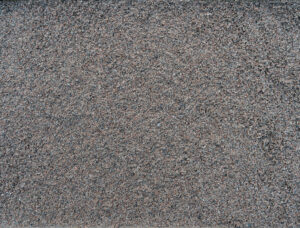
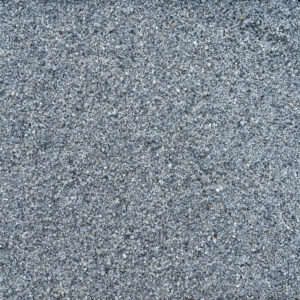 Since sand or grit is always used in conjunction with other ingredients (rarely on its own >5%), we include it here with loam. Horticultural sand (sharp sand) or grit is inorganic crushed rock. Its main role is to improve drainage and structure. Sand opens up small air channels in the mix and helps water escape, preventing waterlogged conditions. It has no nutrient value and negligible water-holding (water flows around sand particles, not into them). It’s completely stable and doesn’t decompose. By adding sand, growing media manufacturers can tailor the weight and drainage – e.g., seed growing media often contain sand to ensure delicately rooted seedlings aren’t waterlogged, and cactus/succulent mixes contain extra grit for fast drainage.
Pros: adds drainage, prevents compaction, provides weight for stability.
Cons: makes the mix heavier, doesn’t hold moisture or nutrients, and if too much sand is used, the mix can become infertile and dry. Generally, sand is used at 5–20% of a mix as needed.
Perlite
Perlite is a bright white, lightweight mineral often seen as little white balls in potting soil. It is a form of volcanic glass (silica rock) that has been heated to a high temperature until it “pops” like popcorn, expanding into a porous, foam-like aggregate. Horticultural perlite is valued for improving aeration and drainage. Each perlite granule is full of tiny air pockets. It is completely inert (it doesn’t decompose or react) and sterile.
Pros: Perlite’s primary benefit is aeration; it keeps growing media from compacting and ensures plant roots have access to oxygen. It also improves drainage more effectively than almost any other additive; water flows easily around the coarse particles, so excess water can exit the pot, reducing the risk of root rot. Perlite can hold some moisture on its surface and within its porous structure, but it never becomes waterlogged; it holds just enough to help keep humidity around roots without making the mix soggy. This makes it ideal for plants that need good drainage (like succulents, orchids, or seedlings that damp off easily). It’s very lightweight, which keeps large containers from being too heavy (in contrast to sand). It’s also chemically neutral (almost pH-neutral) and free of diseases or weeds. Perlite does not break down over time, so the structural benefit it provides to a mix lasts indefinitely (though in practice, it can get crushed into smaller particles over the years). In summary, adding perlite (often ~5-10% in a mix) prevents compaction, keeps the growing meidia open and well-drained, and helps roots develop vigorously.
Cons: One downside is that perlite can be dusty and irritating to handle; you should avoid breathing in the dust when mixing it. It tends to float to the surface of pots after repeated watering, because it’s so light; this can look unattractive and also means it might gradually migrate out of the root zone. Perlite has no nutrient content and very little water retention compared to vermiculite or organic matter, so on its own it can’t support plant growth (it’s strictly a supplement to improve physical properties). It’s also a mined mineral that requires significant energy to produce (super-heating in furnaces), so there is an environmental impact. While perlite is abundant and not toxic, the production and transport (often imported from countries like Greece or Turkey, where it’s mined) contribute to its carbon footprint. In peat-free mixes, perlite is sometimes used to compensate for heavier ingredients like compost or soil, but some sustainable gardening advocates try to minimise its use in favour of organic alternatives (like grit or rice hulls) due to sustainability concerns. Lastly, too much perlite can cause a mix to dry out quickly, so it’s all about balance; usually, a small proportion is enough to get the desired aeration.
Vermiculite
Vermiculite is another mineral additive, often mentioned alongside perlite, but it has different properties. Vermiculite is a micaceous mineral that is expanded by heating into accordion-shaped particles. It feels soft, flaky, and is brown gold in colour. When added to growing media, vermiculite provides aeration and holds water and nutrients. It is also inert and sterile like perlite.
Pros: Vermiculite has a high water-holding capacity – it can absorb water and dissolved nutrients into its structure, acting like a sponge. This makes it excellent for seed sowing and for plants that need consistent moisture. It also has good cation exchange capacity and can attract and hold onto nutrients like potassium, magnesium, and calcium, slowly releasing them to plant roots. Vermiculite particles trap air within and between them, so they improve aeration, though not as aggressively as perlite. They have a gentle buffering effect on pH (vermiculite is slightly alkaline to neutral) and can help facilitate re-wetting of the growing media if it dries out. Gardeners often use vermiculite to cover seeds (it’s lightweight and holds moisture around the germinating seed while allowing air through) or mix it into growing media for striking cuttings and raising seedlings. It’s non-abrasive, clean, and insulating – it can help keep soil temperatures stable by trapping air and moisture. Like perlite, it is sterile and disease-free. In potting mixes, vermiculite (often 5–20%) can increase water retention and reduce the frequency of watering needed, which is useful for water-loving plants.
Cons: Vermiculite, when overused, can hold too much water. If a mix has a very high percentage of vermiculite, it might stay soggy and potentially suffocate roots that need more air, so it’s not ideal for plants prone to rot or for creating a free-draining mix. It is also a soft mineral; over time, in a pot, vermiculite flakes can break down into finer particles that may compact a bit (unlike perlite, which is harder and mostly retains shape). Vermiculite is a mined material too, with limited sources globally (major producers include South Africa, Brazil, and the USA). Historically, some vermiculite deposits were contaminated with asbestos (NOT the vermiculite sold today for horticulture, but it has caused hesitation among some gardeners). The horticultural vermiculite on the market is safe, but always buy from reputable brands. Vermiculite is also denser than perlite, so mixes containing a lot of it will be heavier (though still lighter than soil). It has no inherent nutrient value aside from some magnesium or potassium content that is usually minimal for plant nutrition. Like perlite, production requires heating (exfoliating the mineral), which uses energy. In use, one minor inconvenience is that vermiculite compresses easily; if you pack a pot tightly or press down on it, you can squeeze the air out of it. So, handle mixes with vermiculite a bit gently to keep the structure. Overall, vermiculite and perlite are complementary: vermiculite excels at moisture retention, while perlite excels at drainage. They are often used in combination, depending on plant needs.
Bracken and Sheep’s Wool
Bracken is a type of hardy fern that grows abundantly (often viewed as a pest on uplands), and sheep’s wool is an agricultural byproduct from shearing. These two have been combined to create peat-free growing media by some UK companies. Composted bracken adds a fibrous, soil-like component that is naturally high in potash (potassium) and trace elements, which helps promote flowering and fruiting in plants. Wool contributes a soft fibre that holds water and also acts as a slow-release fertiliser; raw wool contains about 10% nitrogen by weight and appreciable potassium, releasing these nutrients as it breaks down. Wool has water-retentive properties comparable to peat; it can soak up and hold moisture, reducing watering needs. Together, wool and bracken growing media have a soft, crumbly texture similar to peat, with good nutrient and water-holding capacity.
Pros: Both materials are renewable and locally sourced. Wool’s high nitrogen means plants grown in a wool-based growing media often need less additional feeding, and the water retention means less frequent watering. Bracken brings in potash and breaks down to improve soil structure. Additionally, wool in soil may deter slugs and snails to some extent (anecdotal gardener reports).
Cons: Supply of wool and bracken growing media is limited to specific producers, and it’s more expensive than mass-market growing media. The nutrient release from wool is slow but steady, so it might not immediately supply seedlings with everything (though usually some nutrient is added in the product). Bracken must be harvested from the wild, which, if not managed well, could impact those ecosystems (though harvesting bracken can also help restore biodiversity if done carefully). These growing media have a slight sheepy odour initially and a different feel that may be unfamiliar to new users. They are an excellent niche peat-free solution, particularly valued by organic growers.
Sphagnum Moss (Live/farmed)
Instead of peat (dead, decomposed sphagnum), there’s interest in using living sphagnum moss grown sustainably as a renewable alternative. Trials in the UK and Europe are cultivating sphagnum moss on rewetted bogs and harvesting the top growth for use in horticulture. Fresh sphagnum is a fluffy, light green moss that can be incorporated into potting media or used on its own for certain plants (e.g., carnivorous plants love live sphagnum).
Pros: Sphagnum moss can hold about 20 times its weight in water, making it superb for moisture retention. It provides excellent aeration too, because even when wet it doesn’t collapse (think of how moss in a bog is both wet and springy). It’s also naturally resistant to some fungal diseases and has been used historically for its antiseptic properties. As a peat replacement, it’s almost a like-for-like in terms of creating a “blank canvas” growing medium; it has very low inherent nutrient content and an acidic pH, similar to peat, but if harvested sustainably, it regrows and doesn’t release ancient carbon stores.
Cons: Currently, the availability is very limited. Farming sphagnum is still being scaled up, and it may be several years before we see it commonly in garden centre products. It’s also tricky to handle; live sphagnum needs to stay moist, so drying and shipping might reduce its viability (though for use as a component, it may not need to be alive). Cost could be high initially due to the labour and land needed to grow it. There is also a learning curve on how to best use it in mixes; pure sphagnum might decompose over time (albeit slowly), and its performance in long-term container culture is still being evaluated. Nonetheless, it’s a promising, eco-friendly ingredient that we may see more of in the future as peat is phased out.
Biochar
Biochar is a form of charcoal made by burning organic material (like wood or crop residues) in low-oxygen conditions (pyrolysis). In soil science, biochar is used to improve soil health and sequester carbon. In potting media, biochar can be added in small quantities (often a few percent) to improve structure and water retention. Its porous structure can hold water and nutrients similarly to perlite or pumice, and it provides habitat for beneficial microbes.
Pros: Very stable (does not decompose), improves water-holding and aeration, and can act as a long-term carbon store. It can also help buffer pH and absorb toxins.
Cons: Needs to be “charged” with nutrients (often soaked in fertiliser or compost tea) before use, otherwise it may initially rob some nutrients. Used in too high a proportion, it might dry a mix or raise pH. Currently, it’s relatively expensive to produce high-quality horticultural biochar, so it’s not common in mass-market growing media. It’s more often seen in speciality products or DIY mixing by enthusiast gardeners.
Spent Mushroom Compost
This is the leftover growing medium from mushroom farms. Mushrooms are often grown in a pasteurised straw or compost base that’s enriched with manure and chalk (lime). After the mushroom crop is harvested, the spent ingredient can be reused as a soil improver. It’s nutrient-rich and chalky (alkaline). In gardening, spent mushroom compost is typically used as a mulch or dug into garden beds to improve soil organic matter. It’s less common to use it in potting mixes because its high pH (due to lime) can be problematic, and it may contain residual soluble salts. Pros: Recycling a waste product, adds organic matter and some nutrients (especially good for neutralising acidic soils because it’s limed).
Cons: Tends to be too alkaline for many container plants and could burn plants if used fresh and in quantity. If it contained peat in the mushroom growing mix (some do use a peat casing layer), then it’s not fully peat-free either. In summary, while spent mushroom is a valuable material, it’s usually kept for ground soil improvement rather than as a primary ingredient in new container growing media.
Other Plant Fibres and Wastes
Research is ongoing into using agricultural byproducts like straw (e.g. oilseed rape straw), miscanthus grass, hemp fibre, rice hulls, and paper/cardboard waste as components in growing media. For example, chopped straw can aerate mixes, and rice hulls (common in the USA) can function a bit like perlite (adding drainage). Paper crumble or cardboard that’s been fiberised can hold water and offer a peat-like consistency when mixed with other materials.
Pros: These are often renewable or recycled and help reduce waste.
Cons: Each has its challenges, for instance, straw breaks down quickly and can tie up nitrogen, rice hulls may decompose slowly and can sometimes carry rice weed seeds, paper can get waterlogged if too fine, etc. Many of these are regional (rice hulls are not abundant in the UK but could be imported; bracken and wool are regional to the UK). Manufacturers often experiment with such materials in small percentages. As technology and sourcing improve, some of these might become more prevalent in UK mixes.
With so many ingredients, it’s clear there is no single perfect replacement for peat; instead, blends are crafted to harness the strengths of each component. For example, a peat-free multipurpose growing media might contain 40% wood fibre (for air), 30% composted bark (for structure), 20% coir (for water retention), and 10% green compost (for nutrients), plus a dash of fertiliser and lime. Another mix might swap in digestate fibre or include perlite for extra drainage. Gardeners are encouraged to try different peat-free products to see which formulations work best for their needs.