P7 Protocol
What is the P7 Protocol?
The P7 Protocol is a mandatory annual performance testing process for growing media products under the Responsible Sourcing Scheme (RSS). Each manufacturer member of the RSS is required to conduct this test every year on their eligible products. The protocol is essentially a quality assurance measure; it verifies that a product meets certain performance standards (i.e. it actually works well for growing plants) before it reaches customers. P7 is a crucial part of maintaining Accredited Member status in the scheme, meaning companies must participate in P7 testing to remain in good standing.
Scope of the P7 Protocol
Currently, the P7 Protocol applies only to multipurpose growing media products intended for the amateur (consumer) market. In practice, this means general-purpose bagged growing media sold for home and garden use are the ones being tested. These products are common among amateur home gardeners, so it’s vital to ensure they perform consistently well. There is potential for the scope of P7 to expand in the future. The protocol was initially developed for multipurpose growing media, with the idea that other product categories (such as more specialised or professional growing media) could be included in later phases. As the Responsible Sourcing Scheme evolves, the P7 testing requirements may be extended to cover additional types of growing media. This forward-looking approach means the industry is prepared to apply rigorous performance standards to a wider range of products if needed.
How the P7 Protocol Works (Methodology Overview)
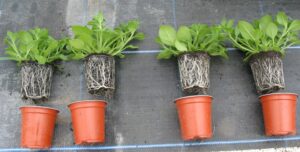
The P7 Protocol uses a fixed, published methodology to ensure that every product is tested in the same way. This methodology is openly available in the Resources section of the RSS website (see the Resources page under “P7 Protocol”). It is based on an established industry standard (originally adapted from a DEFRA-backed standard and an EU protocol) and outlines a specific growing trial that manufacturers must perform on their product. In simple terms, the test involves growing plants in the candidate growing media and comparing their growth to plants grown in a standard control substrate. For example, the protocol specifies using indicator plants (such as tomato seedlings and petunia plants) and measuring how well they grow in the product versus in a benchmark medium (often a peat-based control mix). Over a set trial period, evaluators record key growth metrics, things like germination or rooting success, plant size, flowering time, and overall plant health are assessed. By the end of the trial, the manufacturer gathers data on how the product performed relative to the control.
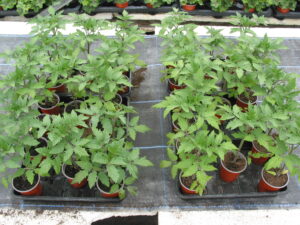
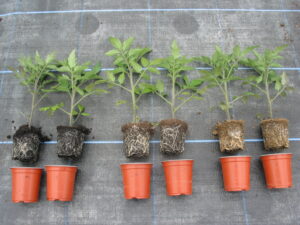
Importantly, the methodology is the same for all manufacturers and all tested products. This consistency means results are comparable across different companies and batches. The protocol is designed to be rigorous but fair: every participant follows the same steps, uses the same types of plants, and abides by the same conditions. Because the exact test procedure is standardised and documented, both industry professionals and consumers can trust that P7 tests are conducted objectively and uniformly for all products. For those interested in the nitty-gritty details: the full P7 Protocol Methodology document can be found in the RSS website’s Resources section.
Why Performance Testing Matters
Ensuring that growing media products deliver good performance is critical for both everyday gardeners and commercial growers. The P7 Protocol was established to give evidence-based reassurance that products which meet responsible sourcing standards also meet quality and effectiveness standards. In other words, P7 bridges the gap between sustainability and functionality, making sure you don’t have to sacrifice growing results for environmental responsibility.
P7 Protocol in Practice and Continuous Improvement
All RSS manufacturer members producing amateur-market products conduct the P7 test annually and submit their results to the scheme’s administrators. Initially during the scheme’s early implementation, the focus was on gathering performance data across different products and manufacturers. This data has been used to establish a clear benchmark or pass/fail threshold for what constitutes acceptable performance. Now and going forward, any growing media product that falls below the required performance standard would need to be improved to remain in the scheme. In fact, maintaining RSS accreditation is contingent on meeting the P7 performance criteria, a product that consistently fails to perform would risk losing its accredited status. This creates a strong incentive for manufacturers to not only source responsibly but also continually refine and quality-check their mixes for optimal results.
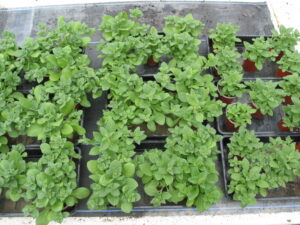
The annual cycle of testing means that P7 isn’t a one-time hurdle, but a process of continuous improvement. Manufacturers get feedback from the test results and can act on it if necessary (for example, adjusting a formulation if the trial indicates a deficiency). It also means that as new materials or blends come into use (say, a new type of wood fibre or composted material), their performance is being objectively vetted regularly. For professionals and consumers alike, this dynamic ensures that the RSS logo on a product represents an ongoing commitment to quality, not just a one-off approval.
P7 Protocol FAQ and Troubleshooting
Below are some common questions about the P7 Protocol and what it means for manufacturers, gardeners, and growers. If you have a question not covered here, please reach out to us – we’re happy to provide more information.
Q: Which products are tested under the P7 Protocol?
A: At present, the P7 performance test is required for multipurpose growing media products intended for amateur/home garden use. These are typically general-purpose growing media you’d find in garden centres for consumers. Professional-grade or specialised growing media (for commercial growers) are not currently included in the P7 testing program. However, the scheme may consider extending performance testing to other product categories in the future as the protocol evolves. So, for now, if you see the RSS accreditation on a bag of multipurpose growing media, you know that product has undergone P7 testing.
Q: How exactly is the P7 test carried out? Who does the testing?
A: The testing is carried out by the manufacturer members themselves, following the official P7 methodology. Each year, every relevant product a manufacturer makes must be put through the prescribed growing trial (as outlined in the methodology document). Typically, the manufacturer’s quality assurance or R&D team will perform the trial, growing the specified test plants in their growing media and recording the outcomes. The results are then submitted to the RSS administrators as proof of performance. The scheme may require documentation (including data, photos, and a report) to be kept on file for a few years. To maintain credibility, the RSS can also employ an independent auditor to review or spot-check these results.
Q: Where can I find the details of the P7 testing procedure?
A: The full details of the test method are published on the RSS website. You can find the “P7 Protocol” document in the Resources section. That document (sometimes referred to as the growing trial methodology for P7) walks through the objectives, the setup (including control and test materials, plant species used, replication, etc.), and the measurements taken. It’s quite technical, intended for manufacturers and technical experts, but it’s publicly accessible for transparency.
Q: What happens if a product doesn’t meet the performance standard?
A: The Responsible Sourcing Scheme is built on the expectation of continuous compliance. If a product’s test results show it failed to meet the agreed performance benchmarks, the manufacturer would be expected to take corrective action. In practice, this could mean reformulating the product (for example, adjusting the mix or ingredients to improve performance) and then re-testing it to ensure the issue is resolved. The scheme’s rules make it clear that meeting the P7 standard is required to keep the product’s accredited status. So, a product that persistently underperforms would risk losing its RSS accreditation (and by extension, the company would lose the privilege of using the RSS label on that product). The good news is that the annual testing cycle usually catches any problems early. Manufacturers have a strong incentive to address any shortfall quickly, both to adhere to the scheme and to maintain customer confidence.
Q: I’m a home gardener. How do I benefit from this testing in practical terms?
A: From a gardener’s standpoint, the P7 Protocol might seem “behind the scenes,” but it has real benefits for you. It means that when you pick up a bag of growing media with the RSS logo, you’re not just relying on the manufacturer’s word or marketing; there’s an evidence-backed trial that says, “this stuff works.” You can expect that growing media to reliably grow your seeds, seedlings, and plants as labelled. It reduces the guesswork and risk of trying new sustainable products. If you’ve ever been hesitant to try a peat-free mix because you weren’t sure it would perform, the P7 testing is designed to give you confidence. In short, you get a product that’s been proven effective, so you can focus on enjoying gardening rather than worrying about the soil failing you. Q: I’m a professional grower.
Q: Is there anything I need to do differently as a consumer because of P7?
A: Not really, P7 is something the manufacturers and the scheme administrators take care of in the background. As a consumer, your part is simply to enjoy the benefits of it. When shopping, you might choose products that are RSS-accredited (often indicated by the RSS logo and sometimes a rating letter on the packaging). That way, you know the product has met responsible sourcing criteria and passed performance tests. Beyond that, use the product as you normally would, following any instructions on the bag. If you’re curious, you can read the responsible sourcing score or details often provided on the packaging or the company’s website. But there’s no special action needed on your end; the goal of P7 is to ensure you don’t have to worry about the growing media’s performance. It’s about building trust, so you can purchase sustainable gardening products with confidence.